Fire Alarm Installation Guide: Best Practices for Commercial Buildings
Installation guide for commercial fire alarm systems covering code compliance, device placement, testing procedures, and commissioning best practices.
Fire Alarm Installation Guide: Best Practices for Commercial Buildings
Installing a commercial fire alarm system involves more decisions than most people expect — from code compliance and device spacing to commissioning and ongoing maintenance. This article walks through each phase so installers and specifiers know what to plan for.
Pre-Installation Planning
Code Compliance Research
Before beginning any installation, thoroughly research applicable fire codes:
International Standards:
- NFPA 72 - National Fire Alarm and Signaling Code (USA)
- EN 54 Series - Fire detection and fire alarm systems (Europe)
- BS 5839 - Fire detection and fire alarm systems (UK)
- Local building codes and fire marshal requirements
Key Compliance Areas:
- Device spacing and coverage requirements
- Notification appliance sound levels
- Emergency power backup duration
- Monitoring and communication requirements
- Accessibility and ADA compliance
Building Assessment
Conduct comprehensive building analysis:
Structural Considerations:
- Building construction type (wood frame, steel, concrete)
- Ceiling heights and architectural features
- HVAC system impact on smoke detection
- Electromagnetic interference sources
- Environmental factors (humidity, temperature, dust)
Occupancy Analysis:
- Building use classification (assembly, business, residential)
- Occupant load and evacuation challenges
- Hours of operation and overnight occupancy
- Special hazard areas requiring enhanced protection
- Areas of refuge and evacuation routes
Infrastructure Review:
- Existing electrical system capacity
- Cable pathway availability
- Mechanical room access
- Telecommunications infrastructure
- Integration requirements with other building systems
System Design Fundamentals
Detector Placement Strategy
Smoke Detector Spacing:
Standard coverage per NFPA 72:
- Smooth ceilings: 30-foot spacing (9.1 meters)
- Beamed/joist ceilings: Reduced spacing based on beam depth
- Sloped ceilings: Position within 3 feet of peak
- Corridor coverage: Spacing modified based on width
Smoke Detector Location Requirements:
- Install on ceiling or 4-12 inches below ceiling on wall
- Minimum 4 inches from wall/ceiling junction
- Avoid dead air spaces in corners
- Position away from air supply diffusers (3-foot minimum)
- Keep clear of light fixtures (12-inch minimum)
Heat Detector Applications:
Fixed temperature or rate-of-rise detectors for:
- Kitchens and cooking areas
- Mechanical rooms and boiler rooms
- Dusty or dirty environments unsuitable for smoke detection
- Attic spaces and warehouses
- Parking garages and loading docks
Heat Detector Spacing:
- Varies by detector temperature rating and ceiling height
- Typically 50-70 feet spacing for standard applications
- Consult manufacturer specifications for exact requirements
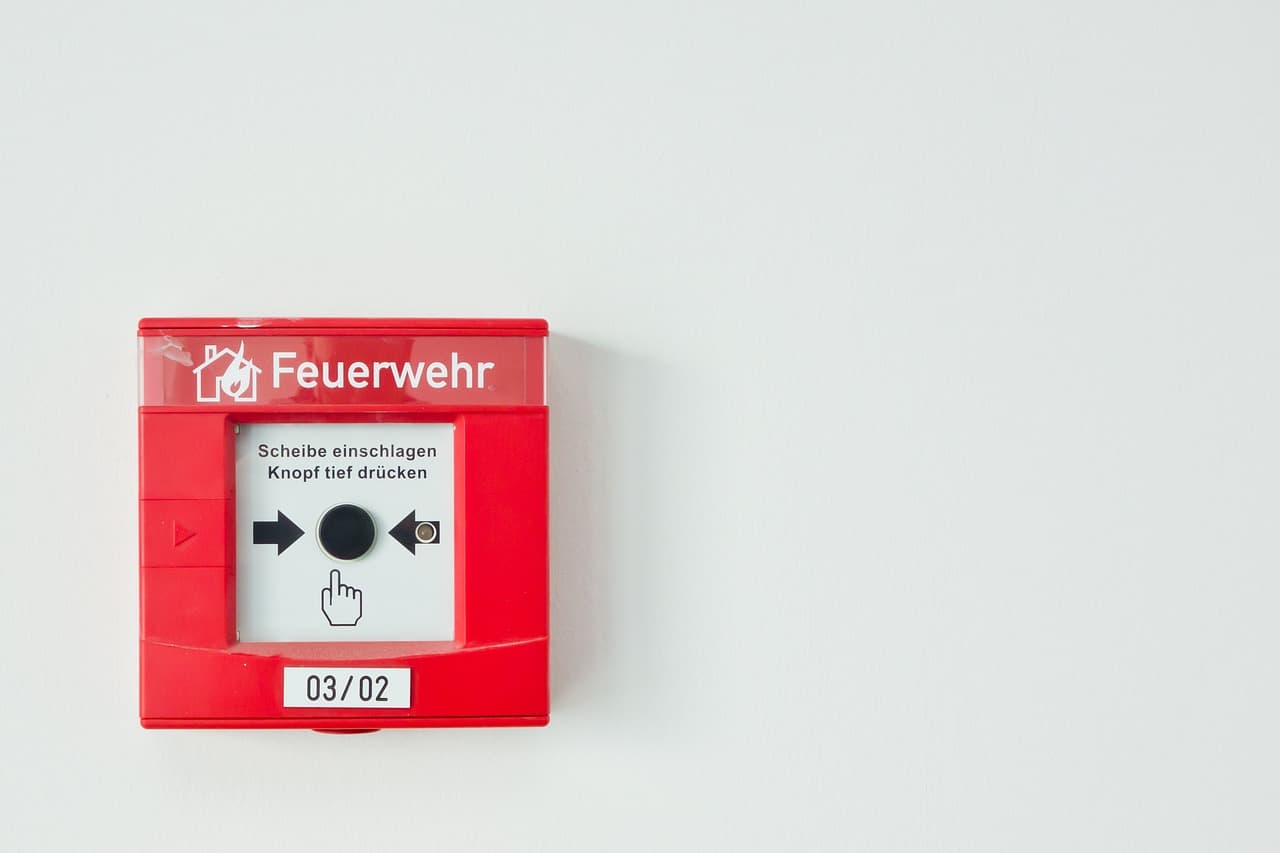
Manual Pull Stations:
- Maximum 200-foot travel distance to nearest pull station
- 42-48 inches above finished floor
- Within 5 feet of each exit door
- Clearly visible and accessible
- Color contrast with surrounding wall
Notification Appliance Design
Audible Notification:
Sound level requirements:
- 15 dB above average ambient sound level
- Minimum 75 dB in corridors, 60 dB in conference rooms
- Maximum 110 dB for hearing protection
- Measurement at pillow level in sleeping areas (requires 75 dB)
Speaker Placement:
- Calculate sound pressure level throughout coverage area
- Account for wall materials, furnishings absorption
- Install at heights providing optimal sound distribution
- Consider voice intelligibility (STI/CIS ratings)
Visual Notification:
Strobe light requirements:
- Minimum 15 candela in most spaces
- Higher ratings (75-177 cd) in large rooms
- Wall-mounted 80-96 inches above floor
- Ceiling-mounted per spacing tables
- Synchronization across all visible strobes
Control Panel Selection
Choose appropriate fire alarm control panel:
Conventional Systems:
- Suitable for smaller buildings (<10,000 sq ft)
- Zone-based device grouping
- Lower initial cost
- Limited diagnostic capabilities
Addressable Systems:
- Individual device identification
- Detailed alarm location information
- Advanced diagnostics and maintenance features
- Suitable for larger or complex buildings
Networked Systems:
- Multiple buildings or large campuses
- Central monitoring and control
- Distributed intelligence and redundancy
- Integration with building management systems
Installation Best Practices
Cable Installation
Wiring Requirements:
NFPA 72 compliant installation:
- Use fire-rated cable (FPLR, FPLP classifications)
- Properly support cables every 4-5 feet
- Maintain separation from power cables (minimum 2 inches)
- Seal penetrations maintaining fire rating
- Label all cables at termination points
Cable Types:
- FPLP (Plenum): For air handling spaces
- FPLR (Riser): Vertical pathways between floors
- FPL (General): Non-plenum, non-riser applications
- FPLP-CI (Circuit Integrity): Critical circuits requiring survivability
Grounding and Shielding:
- Proper electrical grounding per NEC requirements
- Shield twisted pair cables in high-EMI environments
- Separate grounding for fire alarm system
- Surge protection on communication circuits
Device Installation
Smoke Detector Mounting:
Step-by-step installation:
- Verify location meets code spacing requirements
- Mount detector base securely to electrical box or surface
- Connect wiring following manufacturer color codes
- Install smoke chamber/sensor unit into base
- Verify proper seating and locking
- Document device address and location
Common installation errors to avoid:
- Installing before construction dust settles
- Painting over detectors
- Removing or covering detectors during construction
- Incorrect wiring polarity
- Inadequate wire strain relief
Pull Station Installation:
- Mount box at code-required height (42-48 inches AFF)
- Ensure single-action operation (remove covers that impede access)
- Verify clear visibility and accessibility
- Install proper signage ("FIRE ALARM")
- Test mechanical and electrical operation
Notification Appliance Installation:
Strobes and horns:
- Mount at code-compliant heights
- Orient strobes for maximum visibility
- Verify synchronization module configuration
- Test sound levels with sound meter
- Adjust speaker taps for proper volume
Control Panel Installation
Location Requirements:
- Accessible only to authorized personnel
- Protected from environmental hazards
- Near main building entrance for fire department access
- Adequate space for service and maintenance
- Proper ambient temperature range
Electrical Connections:
- Dedicated circuit from building power
- Proper overcurrent protection
- Emergency power backup (batteries or generator)
- Monitoring of AC power and battery status
Grounding:
- Connection to building ground system
- Separate ground rod if required
- Proper bonding of all system components
- Lightning protection where applicable
Testing and Commissioning
Pre-Functional Testing
Before energizing the system:
- Visual inspection of all devices and wiring
- Continuity testing of all circuits
- Verification of proper device addressing
- Megger testing for insulation integrity
- Ground resistance measurement
Functional Testing
Individual Device Testing:
Smoke detectors:
- Activate using manufacturer-approved test equipment
- Verify alarm response at control panel
- Confirm proper zone/address identification
- Test communication with monitoring station
Heat detectors:
- Use heat gun for activation (avoid open flame)
- Verify temperature rating appropriate for location
- Test alarm and supervisory responses
Manual pull stations:
- Test mechanical operation
- Verify alarm signal transmission
- Confirm proper reset procedure
Notification appliances:
- Measure sound levels at design points
- Verify strobe synchronization
- Test backup power operation
- Confirm proper circuit supervision
System-Level Testing:
Integration verification:
- Test building system interfaces (HVAC, elevators, access control)
- Verify annunciator and remote display operation
- Test emergency voice communication system
- Confirm automatic transmission to monitoring station
Emergency power:
- Disconnect AC power and verify battery takeover
- Load test batteries under alarm conditions
- Measure battery voltage under load
- Calculate actual battery endurance
Sequence of operations:
- Initiate alarm from various zones
- Verify proper notification sequencing
- Test positive alarm sequence (if applicable)
- Confirm fire department notification
Documentation
Comprehensive commissioning documentation:
- As-built drawings showing all device locations
- Device address list with descriptions
- Test results for all devices
- System programming printout
- Battery calculations and test results
- Sequence of operations verification
- Owner training completion certificates
Code Compliance Verification
Inspection Preparation
Prepare for authority having jurisdiction (AHJ) inspection:
- Complete all testing and documentation
- Provide testing records to inspector
- Ensure system operating properly
- Have maintenance manuals available
- Arrange building access for inspector
Common Inspection Issues
Avoid these frequent violations:
- Inadequate device coverage
- Improper notification appliance spacing
- Missing or incorrect labeling
- Incomplete documentation
- Power supply deficiencies
- Integration failures with other systems
Owner Training and Handover
Training Requirements
Provide comprehensive training to building staff:
System Operation:
- Normal operating conditions
- Alarm acknowledgment and reset procedures
- Trouble signal interpretation
- Silence and evacuation procedures
- Manual system testing
Maintenance Requirements:
- Weekly inspection procedures
- Monthly testing requirements
- Annual professional service needs
- Battery replacement schedule
- Device lifespan and replacement planning
Emergency Procedures:
- Building evacuation protocols
- Fire department coordination
- System operation during emergencies
- Emergency contact information
- Incident documentation
Handover Documentation
Provide owner with complete documentation package:
- System design drawings
- Device installation locations
- Operating and maintenance manuals
- Testing and commissioning reports
- Warranty information
- Service contact information
- Spare parts list
Ongoing Maintenance
Regular Testing Requirements
Weekly Testing:
- Control panel LED and display check
- Battery charger status verification
- Printer paper and operation (if equipped)
Monthly Testing:
- Rotate testing 25% of detection devices
- Test supervisory signals
- Battery voltage measurement
- Remote annunciator verification
Annual Testing:
- Complete system functional test
- Battery load test
- Sensitivity testing of smoke detectors
- Notification appliance sound level verification
- Integration system testing
- Documentation update
Troubleshooting Common Issues
Frequent Alarms:
- Check for environmental sources (dust, humidity, cooking)
- Verify proper detector type for location
- Inspect for device contamination
- Review detector sensitivity settings
Communication Failures:
- Verify wiring connections
- Check for electromagnetic interference
- Test backup communication paths
- Inspect for damaged cables
Power Issues:
- Check circuit breaker and fuses
- Test AC power quality
- Inspect battery connections and charge level
- Verify proper transformer operation
Conclusion
Professional fire alarm installation requires meticulous attention to detail, code compliance, and system testing. Following these best practices ensures a reliable fire detection and notification system protecting building occupants and property.
As a China-based fire alarm manufacturer since 2001, we provide comprehensive technical support for installation professionals worldwide. Our EN 14604 certified products, detailed installation guides, and technical assistance help ensure successful project completion meeting all applicable fire safety codes.
For technical installation support, training resources, or to discuss fire alarm solutions for your commercial projects, contact our fire safety engineering team today.


